

Queensbridge Chronicles is an Info Minds documentary series featuring Lakey the Kid, also known as Lake and Lakey the Great Mind. Episode 1 follows his account of the Hit Hard Crew and Tupac Shakur’s arrival at Clinton Correctional Facility; its description directs viewers to his Thuphora Book. The connection is direct: the interview introduces a voice, while the book and chapter audio give you a longer encounter with his perspective on reputation, loyalty and life beyond survival.
- Queensbridge Chronicles Episode 1 features Lakey the Kid on Info Minds and directs viewers to his Thuphora book.
- Lakey the Kid, Lake and Lakey the Great Mind identify the person connecting the interview, book and chapter audio.
- Tupac’s Clinton arrival is presented as Lakey’s recollection, not independent confirmation of every detail.
- Choose Chapter 11 for reputation, Chapter 18 for street experience turned into art, or Chapter 20 for artist analysis.
- Thuphora is best for viewers who want to study the perspective behind Lakey’s interview, beyond an isolated clip.
Why this matters
A famous name can bring you into a story. The harder question is what keeps you there after the name has done its work.
If Tupac brought you to Queensbridge Chronicles, pay attention to the person recalling him. Lakey’s account concerns belonging, confinement, loyalty and the authority a reputation carries. The artists are part of that world, but the consequences are not reserved for celebrities.
Thuphora is best for viewers who want to study the perspective behind Lakey’s interview, beyond an isolated clip. You do not need to have lived his life to recognize the burden of an old identity or the pressure to act the way other people expect.
What is Queensbridge Chronicles, and where can you watch it?
Queensbridge Chronicles Episode 1 on Info Minds is titled “Lakey The Kid Recalls The Day 2pac Arrived At Clinton Prison.” Published February 27, 2026, the episode presents Lakey’s recollections in a documentary-style interview format.
The episode description identifies three subjects: the formation of the Hit Hard Crew, the challenges Lakey faced and his recollection of Tupac’s arrival at Clinton. It also explicitly directs viewers toward Lake’s book. That is the connection between the video and this reading path—not an assumption based on similar names.
The full episode supplies context that a repost cannot always retain. Watch the sequence around a statement before deciding what it means. A reaction clip can preserve the force of a line while leaving out the circumstances that give it weight.
Source basis for this guide: Info Minds’ episode description and transcript, checked October 22, 2026, together with the book and chapter descriptions on the author’s site. Episode timestamps below are viewing landmarks, not independent corroboration of the events recalled.
Who is Lakey the Kid in Queensbridge Chronicles?
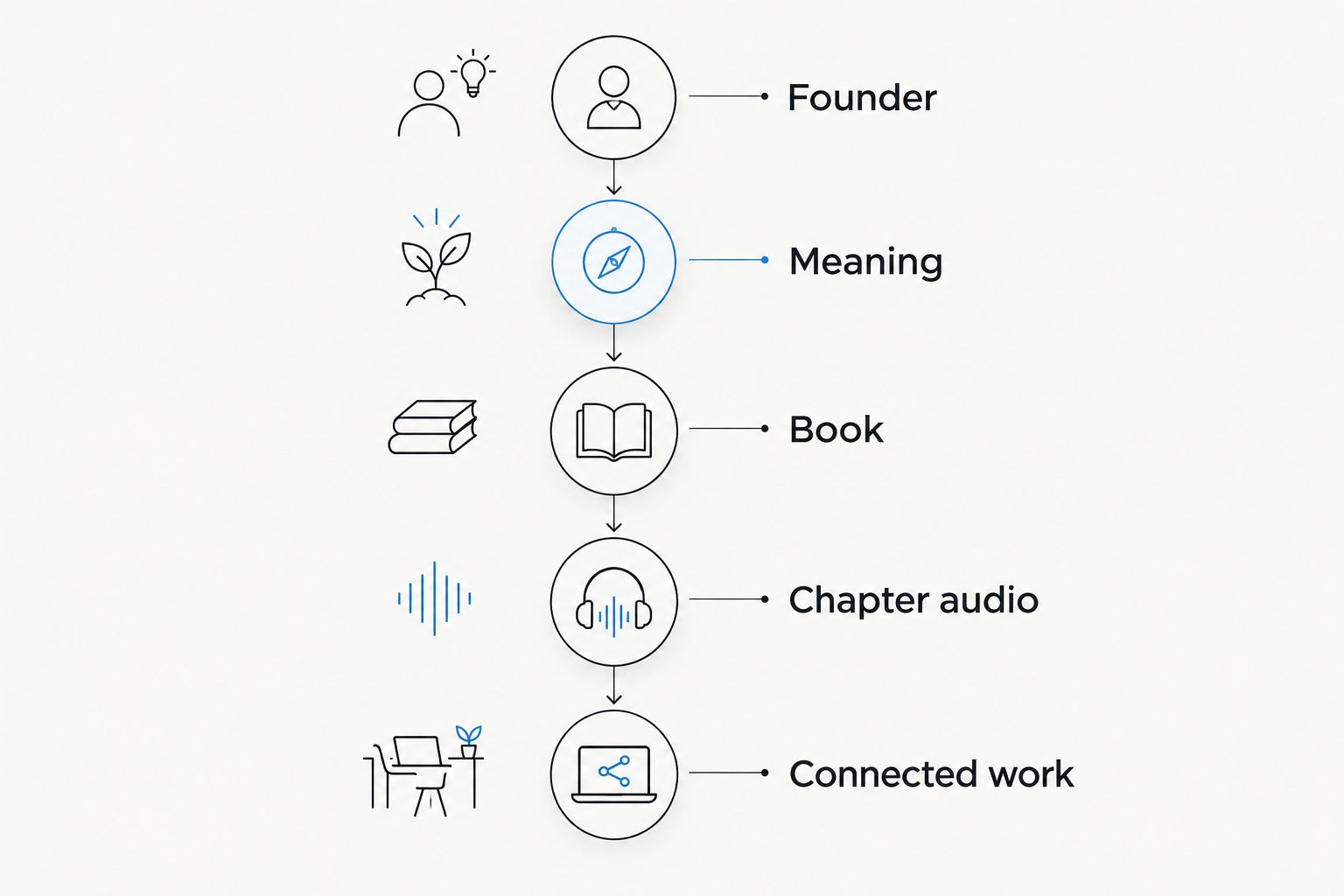
Lakey the Kid is the Queensbridge figure and author also identified in his work as Lake and Lakey the Great Mind. He is the founder connecting the book with chapter audio, music, media and apparel.
That continuity matters if you first meet him through YouTube. You are not moving from an unrelated interview guest to an unrelated clothing label. You are following one person’s account into different forms of expression.
This article follows that transition rather than attempting a complete biography. Its question is specific: what should you explore after the episode makes you want more context?
What does Lakey say about Tupac at Clinton Prison?
Around 6:03 in Episode 1, Lakey begins discussing Tupac’s situation before his arrival. Around 6:52, he recalls Tupac entering the Clinton mess hall and describes the response from other prisoners. The account continues into his recollection of Tupac’s influence within that setting.
Keep the attribution attached: these are Lakey’s memories as presented by Info Minds. His description of another person’s emotions or the administration’s motives remains his interpretation, not an independently established finding of this guide.
| Episode landmark | Subject in Lakey’s account | Question to carry forward |
|---|---|---|
| Around 0:32 | His early crew relationships and the Hit Hard Crew | What makes a group feel like family? |
| Around 6:03 | The circumstances surrounding Tupac’s arrival | How does a public reputation enter a confined environment? |
| Around 6:52 | His recollection of the Clinton mess-hall response | What happens when belonging changes someone’s sense of isolation? |
| Around 15:59 | His reflection on trying to find a way out of the streets | What would it mean to build a life beyond the code that shaped you? |
The emotional connection is larger than celebrity proximity. A person can appear powerful in public and still be vulnerable in a new setting. Another person’s recognition can feel like support—or become another expectation to live up to. Those are questions you can examine without claiming to know a stranger’s inner life.
Why the Hit Hard Crew story matters beyond recognition
The opening of Queensbridge Chronicles introduces relationships before it reaches the best-known name in the title. Lakey describes a crew as an early street family, then returns to the pressures and losses surrounding those relationships.
The reader’s question is not simply who knew whom. It is what loyalty requires, how people change under pressure and what happens when familiarity stops being a reliable guide to another person.
For a viewer arriving in 2026, that is a stronger reason to continue than collecting another association. You can ask what belonging gave the speaker and what it demanded in return. You can also ask which parts of a survival code belong in a future you actually want.
This guide does not turn disputed recollections or allegations about other people into settled facts. Its focus is the account’s stated themes and the reading choices they open.
How does Queensbridge Chronicles connect to the book?
The episode description itself points viewers toward the book for more of Lake’s story. The book’s published description presents it as testimony shaped into reflection on urban life, incarceration, identity and rebuilding. It explicitly calls the work a reckoning rather than a self-help book.
That distinction gives you a useful reading posture. Do not expect a collection of easy motivational lines. Bring the question the episode left unresolved, and follow the author’s account before deciding what you take from it.
Three questions make the move from viewing to reading more personal:
- Identity: Which part of a person’s reputation comes from their own conduct, and which part is maintained by other people?
- Belonging: When does loyalty support a future, and when does it demand the repetition of an old role?
- Responsibility: What can someone do with experience besides prove that they survived it?
These are editorial questions to bring to the work, not invented quotations. The point is to leave the clip with a reason to study, rather than use the book as another way to repeat its hardest line.
Which audiobook chapter should you explore after the interview?
Choose the book for the wider account and a chapter recording for a focused subject. The selections below follow the current published chapter descriptions, not guesses based on their titles alone.
| Reading or listening route | Best for | What the description establishes | Limit |
|---|---|---|---|
| The full book | Following the larger account | Testimony connected with incarceration, identity and rebuilding | Requires sustained attention beyond one incident |
| Chapter 11, Victim of Reputation, Part 1 | Questions about the power and burden of a name | Lake’s account of Death Row East and reputation as both asset and liability | A focused chapter, not the complete book |
| Chapter 18, Learn How To Turn Faults Into Virtues | Street experience transformed into creative expression | Lakey’s analysis of reality rap and artists turning conditions into storytelling | Cultural analysis, not a guaranteed method for changing your life |
| Chapter 20, Hip Hop Rules: Jay-Z, Tupac, Prodigy and Nipsey Hussle | Artist recognition that leads into questions of strategy and consequence | Lakey examines the named artists’ rise alongside the conditions surrounding his own account | The artists are subjects of his analysis, not advertised narrators |
Start with reputation when the label feels familiar
Chapter 11 gives the reputation question a defined subject. Its description places Death Row East inside Lake’s account and examines how the same standing can attract opportunity and create pressure.
Bring your own question without replacing the author’s story with your experience. What are you expected to prove? What happens when a different choice is treated as weakness? Those questions make the subject relevant beyond the music industry.
Choose Chapter 18 when expression is your entrance
Chapter 18 concerns the relationship between difficult conditions and the art made from them. Its description follows reality rap as testimony and examines how artists use storytelling to express the world around them.
For a writer, musician or reader in 2026, the distinction is useful: expression is not the same as escape. Ask what the creative work makes visible and what responsibility remains after the audience responds.
Follow Tupac into Chapter 20 without confusing the formats
Tupac appears here in two different roles. In the Info Minds episode, he is part of Lakey’s recalled prison experience. In Hip Hop Rules, he is one of the artists whose rise Lakey examines.
Those are connected reading interests, not interchangeable evidence. The chapter does not become a Tupac-narrated audiobook because his name appears on the listing. Lakey supplies the perspective; the artists provide subjects through which to examine decisions, visibility and the surrounding conditions.
What does the name mean in this reading path?
The founder coined the name from THU in THUG and PHORA in euphoria: “the joy you get from thugging.” Keep the attraction and its costs in the same frame.
The broader mission examines socioeconomic conditions, urban conflict, incarceration and power affecting poor and marginalized people. It asks how someone understands those pressures and rises beyond them. The name should not be softened into generic positivity or treated as a command to repeat destructive choices.
For your 2026 reading, ask what once made a code feel necessary—and what your next stage requires instead. That question keeps personal responsibility and the conditions around a decision in the same conversation.
Is Queensbridge Chronicles the same as Queensbridge Kings?
No. Queensbridge Chronicles is the Info Minds series discussed here. Queensbridge Kings is a separate documentary project presented on Lakey’s site; its project page lists it as in production.
The shared neighborhood and Lakey connection do not make the titles interchangeable. Watching an existing Chronicles episode is not proof that the planned Kings series has been released.
That distinction also keeps apparel in its proper role. The Queensbridge Kings tee and hat carry the project’s neighborhood reference. The Symbolism T-Shirt carries a different reference: Hannibal Barca and the slogan “Wear the spirit of a conqueror.”
Where does clothing fit after the reading?
Clothing belongs after the connection, not in place of it. The Hannibal coin can express an interest in strategy, endurance and self-command; the book supplies Lakey’s contemporary account of the conditions and choices he examines.
Choose the garment because that reference matters to you. You do not need to claim someone else’s upbringing or purchase every format to engage seriously with the work.


FAQ
What is Queensbridge Chronicles?
Queensbridge Chronicles is an Info Minds documentary series featuring Lakey the Kid. Episode 1 presents his recollections of the Hit Hard Crew, hardships and Tupac Shakur’s arrival at Clinton Correctional Facility.
Where can I watch Lakey the Kid’s Queensbridge Chronicles episode?
Episode 1 is on the Info Minds YouTube channel under the title Lakey The Kid Recalls The Day 2pac Arrived At Clinton Prison. Its published date is February 27, 2026.
Are Lakey the Kid, Lake and Lakey the Great Mind the same person?
Yes. These names identify the person whose account connects the Info Minds episode with the Thuphora book, music and chapter audio.
What does Lakey say about Tupac at Clinton Prison?
Lakey recalls Tupac entering the Clinton mess hall and describes the prisoners’ response. This is his recollection in the episode; descriptions of emotions and motives remain attributed to him.
What book does the Queensbridge Chronicles description recommend?
The description directs viewers to Lake’s book, Thuphora, for more of the story. The book presents his account alongside questions of identity, incarceration and rebuilding.
Which audio chapter should I choose after watching?
Choose Chapter 11 for reputation, Chapter 18 for experience turned into creative expression, or the Chapter 20 installment naming Jay-Z, Tupac, Prodigy and Nipsey Hussle for artist-focused analysis. Each is a selected chapter rather than the entire book.
Is Queensbridge Chronicles the same as Queensbridge Kings?
No. Queensbridge Chronicles is the Info Minds series; Queensbridge Kings is a separate documentary project that its own page lists as in production.
Does Tupac narrate the Hip Hop Rules audiobook?
Tupac is a subject of Lakey the Great Mind’s analysis in the named Chapter 20 installment, not an advertised narrator. The prison recollection and the artist-analysis chapter serve different purposes.
One last thing
Before saving another clip, save one unanswered question. Name the moment that challenged you, then decide whether you need the wider account or a focused chapter to examine it.
That is a useful next step in 2026 because it turns recognition into a reading purpose. You are not collecting proximity to a famous name. You are deciding what another person’s testimony asks you to think about in your own life.